
Every father wants to leave something behind. For some, it’s a thriving business. For others, it’s an excellent education for their children or a family name built on integrity. But one of the most valuable legacies any father can leave is something that continues to provide long after he’s gone—assets that grow in value and …
Author Archives: Charles
How Flexible Payments Helped a Busy Airline Pilot Secure Property Faster Than Expected Via Thinkmint

Homeownership is becoming out of reach for most Nigerians due to the high cost of housing; however, with options like mortgages and flexible payment plans, Homeownership is fast becoming a reality. Captain Timothy Ayoola, a commercial airline pilot, is a testament to this when he purchased a 4-bedroom terrace duplex at Rose Garden, Magboro, Ogun …
The Biggest Real Estate Investment Mistakes Nigerians Are Making in 2026 (And How to Avoid Them)

Real estate remains one of the most reliable ways to build wealth in Nigeria. From land banking and rental properties to off-plan developments and short-let apartments, the opportunities continue to attract first-time buyers, diaspora investors, and seasoned portfolio builders alike. But here is the uncomfortable truth: the market doesn’t advertise: in 2026, the biggest property …
How Technology Is Making Property Buying Easier for Nigerians Abroad

For years, buying property in Nigeria while living abroad came with significant challenges. Many Nigerians in the diaspora had to rely on family members, friends, or agents to inspect properties, verify documents, and manage transactions on their behalf. Unfortunately, this often led to delays, miscommunication, and, in some cases, costly property scams. Today, technology is …
Continue reading “How Technology Is Making Property Buying Easier for Nigerians Abroad”
Why Two-Bedroom Apartments Are Winning the Nigerian Property Market in 2026

For years, many Nigerian property buyers believed that bigger was always better. Developers focused heavily on large duplexes, luxury mansions, and expansive family homes, while investors often assumed that bigger properties automatically generated higher returns. But in 2026, the market is telling a different story. Across Lagos, Abuja, Port Harcourt, Ibadan, and other major cities, …
Continue reading “Why Two-Bedroom Apartments Are Winning the Nigerian Property Market in 2026”
The Developer Buy-Back Story: What Every Property Investor Should Know in 2026

Imagine buying a property today with the assurance that the developer will repurchase it from you in a few years at a higher price. Sounds too good to be true? Yet, this is exactly what many developers are offering through buy-back agreements, one of the fastest-growing real estate investment models in Nigeria. As property prices …
Continue reading “The Developer Buy-Back Story: What Every Property Investor Should Know in 2026”
Exclusive Interview with the Managing Director/CEO, Afriland Properties, Azubike Emodi
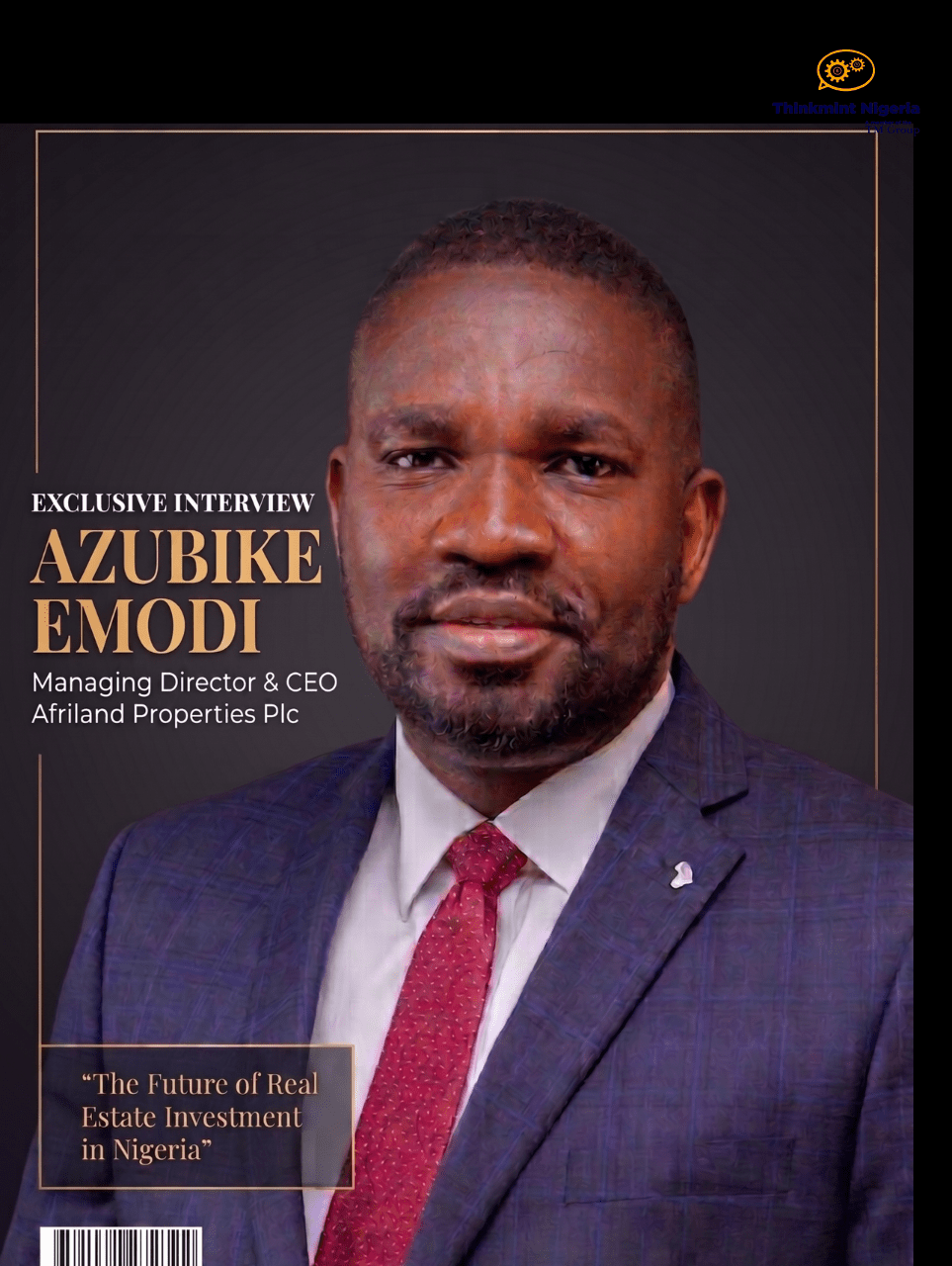
As Nigeria’s real estate landscape continues to evolve, the demand for developers who can combine vision, execution, and long-term value creation has never been greater. For almost two decades, Afriland Properties has remained at the forefront of that conversation, delivering landmark developments, managing complex projects, and creating assets designed to stand the test of time. …
How Nigerians in the Diaspora Can Avoid Property Scams in 2026

For many Nigerians living abroad, investing in property back home is more than just a financial decision; it is an emotional one. It represents: long-term security, wealth creation, retirement planning, and a connection to home. But alongside the opportunities comes a major concern that continues to discourage many diaspora investors: Property scams in Nigeria. From …
Continue reading “How Nigerians in the Diaspora Can Avoid Property Scams in 2026”
Nigeria Real Estate Market: What April 2026 Revealed — and Where the Opportunities are in May

Across Lagos, Abuja, Port Harcourt, and a growing list of secondary cities, April delivered clear signals — not just about where money has been moving, but about where smart capital will likely flow next. The market is becoming more selective, more data-driven, and in many corridors, more competitive than at any point in recent memory. …
House Mattaz Episode 2 Draws Full House in Lagos, Sparks Critical Conversations on Real Estate Transparency

Lagos, Nigeria — ThinkMint Nigeria has successfully staged the second edition of its groundbreaking real estate theatre experience, House Mattaz, to a fully occupied audience of over 150 attendees at Sheraton Lagos Hotel Ikeja. The highly anticipated House Mattaz Episode 2 delivered more than just entertainment. It created a powerful platform for industry dialogue, policy …